A whole goat or half a cow: what you get, and whether it is cheaper
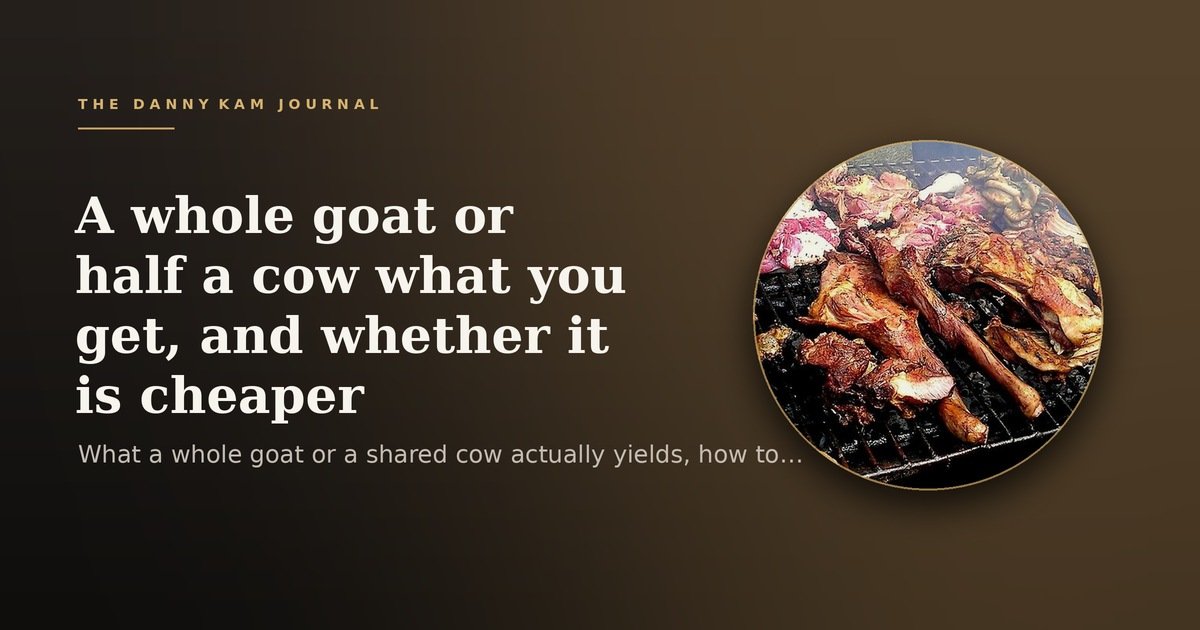
Every few weeks someone at the counter asks the same question in a low voice, as if it were a trade secret: is it cheaper to buy the whole animal? Sometimes it is a wedding, but more often three or four families are pooling money for a cow and want to divide it without a fight.
The honest answer depends on one number most buyers never ask for. Here is how to work it out before you commit.
What a whole goat actually gives you
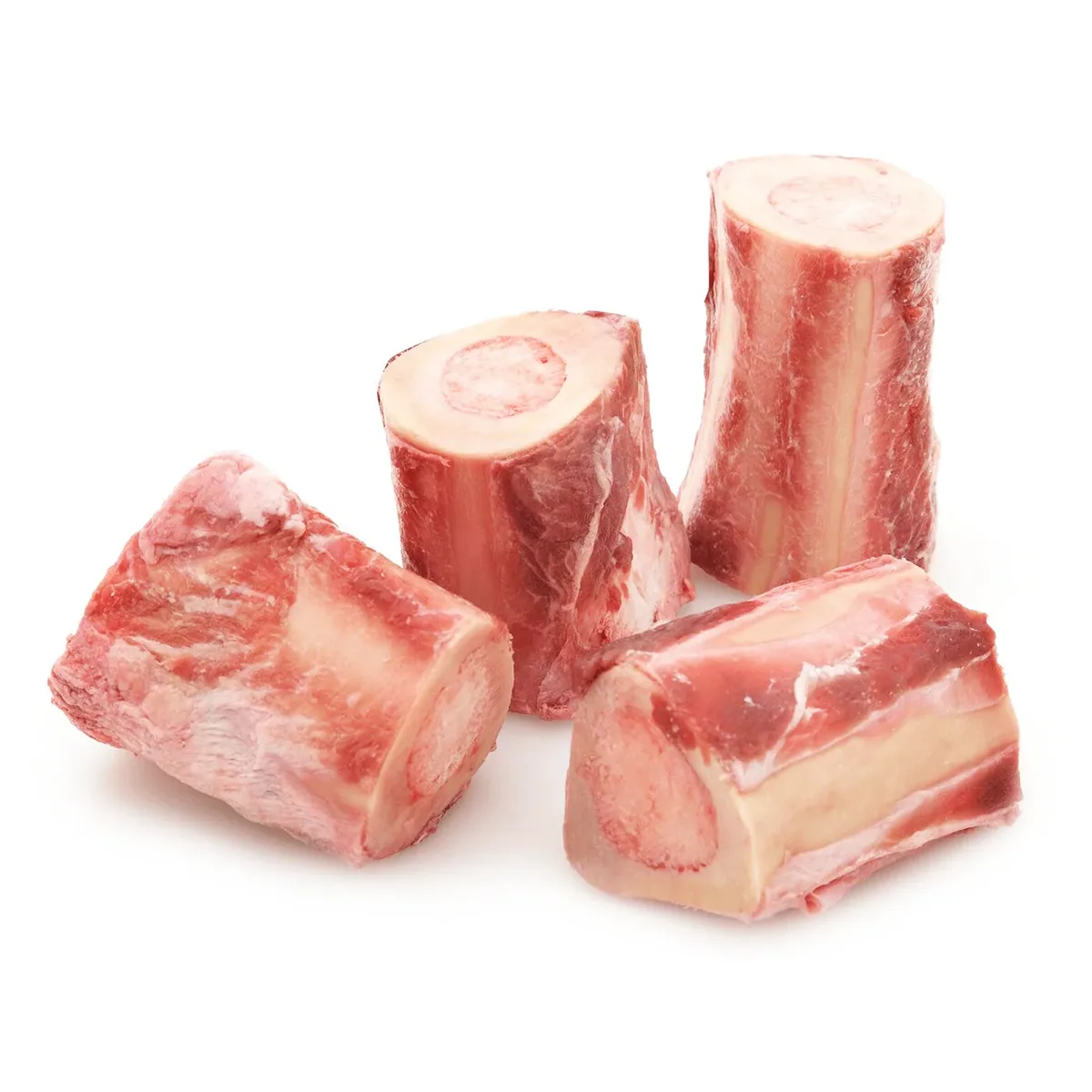
A goat is not a bag of meat. It is two hind legs, two shoulders, a rack of ribs, a neck, a breast and a bag of offal: matumbo, liver, kidneys, heart, lungs. The head and feet go for soup if you want them. Nothing is wasted, which is why the older cooks in a family always want the whole animal rather than a neat pile of chops.
The catch is that you are paying for bone. A leg weighed bone in is heavy in a way a boned shoulder is not. Before you agree a price, ask for the carcass to go on the scale in front of you and for it to be cut to a written list rather than into a pile of pieces: leg in two, shoulder cubed, ribs small for choma, neck whole for soup, offal bagged separately. Then you can see the difference between what you paid for and what ends up in your bags.
Splitting a cow between families
This is where the arguments start, and always for the same reason. People divide by weight when they should divide by value. A kilo of hindquarter is not worth a kilo of neck, so the heavier share can easily be the poorer one.
Two ways to keep it fair:
- Divide into quarters and rotate. Whoever takes a hindquarter this time takes a forequarter next time, and everyone knows the order before the animal is cut.
- Build each share by mix. Every family gets some leg, some rib, some neck for stewing and a portion of the offal. Less tidy, roughly equal in worth.
Write the list before the animal is cut, weigh each share where everybody can see the scale, and settle who takes the bones, liver and matumbo at the start. Those are the parts people argue about afterwards, never at the beginning.
Is it actually cheaper?
The price per kilo on a whole carcass is lower than on a trimmed cut. That is true. It is also true that you are carrying bone, fat trim and the weight that disappears when meat is chilled and cut.
So compare the two figures that matter: the bone in weight you paid for, and the weight of meat that goes into your bags. A carcass that looks cheap per kilo and yields a modest pile of meat is not cheap at all. Any counter worth buying from can tell you roughly what a given carcass will cut out to.
The other half of the sum is storage. A whole goat is a lot of meat for a household of four. It keeps two to three days in a working fridge and up to three months frozen and well wrapped, so ask yourself whether you have the space and the appetite to eat it before it loses quality. If not, a leg and a shoulder cut to the weight you need usually beats a freezer full of meat you are eating out of duty.
What to ask before money changes hands
Five questions cover most of it, and none are rude to ask.
- Can I see it weighed on this scale, now?
- When was it slaughtered, and has it been kept cold since?
- Is it halal, and who did the slaughter?
- Will you cut it to this list, and give me the list back with the weights on it?
- What is the price if I take it cut into pieces instead of whole?
That last one is the most useful. If the gap is small, the carcass is buying you little beyond work, so take the pieces and let the counter do the cutting.
Getting it home without spoiling it
Meat that has been cold all morning does not enjoy a Nairobi afternoon. Bring a cold bag and ice packs, and never leave them in a hot boot while you stop for something else. Forty five minutes in a closed car in the sun is enough to start the clock on meat you have just paid a lot for.
At home, divide it into meal sized packs of half a kilo to a kilo before anything goes into the fridge or freezer. Press them flat, label the date, and leave space between them until they are properly cold, because warm packs stacked together freeze slowly in the middle, which is where meat goes off first. What you will cook this week stays in the fridge and is used within three days. The rest is frozen, oldest packs to the front.
Everything at the counter is cut to order, so a leg, a half or a whole animal can be broken down to the weights you ask for, any weight from 0.5 kg. If you are weighing up a whole animal, come and talk it through before you commit. Same day delivery across Nairobi, and M-Pesa till 9700565.
Cut to order, never frozen, delivered across Nairobi the same day if you order by 6:30 PM.
See what we have today →