Sausages and smokies: what you are actually buying
Sausages are the one thing at a butchery counter that most customers buy without asking a single question. They come in a packet, the packet has a price, and that is usually the end of it. But two packets that look the same can be half meat and half rusk, and the difference shows the moment they hit the pan.
Here is what to look at before you pay, and how to cook what you buy so it comes out the way it does on the packet.
Read the meat content first
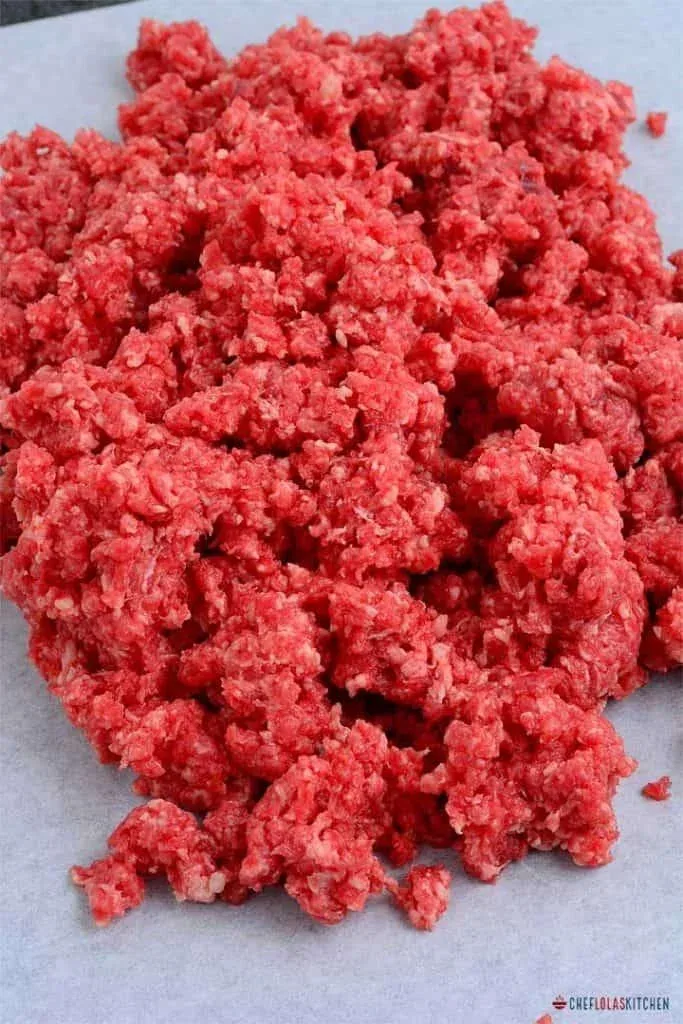
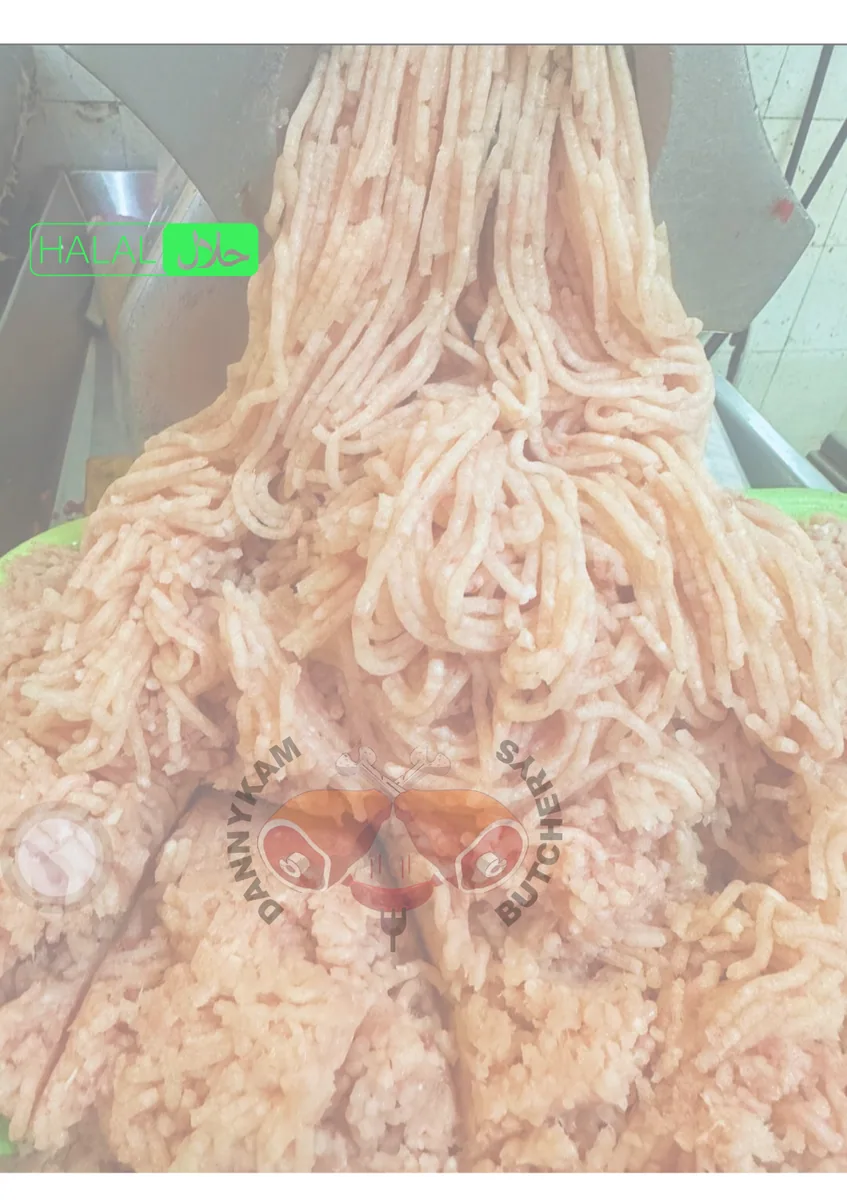
The pack states the meat content as a percentage of total weight. Read that number before the price. A beef sausage at 80 per cent meat and above is dense, browns properly and shrinks only a little. At 50 per cent, half the weight is rusk, water and seasoning. It looks fatter in the pack and turns pale and spongy in the pan.
Rusk is only breadcrumb, so it does no harm. But you are paying beef prices for flour and water.
Check the ingredient order as well. Ingredients are listed by weight, so if rusk, starch or water appears above the meat, put it back on the shelf.
Water is the other thing to watch. A sausage that weeps inside the pack was pumped to add weight. It will also split, because that trapped water turns to steam and forces its way out.
The casing matters more than people think
Three kinds turn up in Nairobi. Natural casings are sheep or beef intestine: thin, slightly uneven, and they brown and snap the way a sausage should. Collagen casings are made from hide protein, very uniform, and fine for most cooking, though they toughen if you hit them with high heat. The third kind is plastic, thick and shiny, and it is not food. It has to be peeled before the sausage goes anywhere near a pan.
Why they split, and how to stop it
It is almost always heat rather than a faulty sausage. The skin sets before the filling has warmed, the meat inside expands, and the weakest point gives. Pricking helps a little and costs you juice. Managing the heat helps much more.
- Take them out of the fridge 15 minutes before cooking, so they are not cold in the middle.
- Start them in a pan of water at about 80C, well below a rolling boil, for 6 to 8 minutes.
- Lift them out, dry the pan, add a little oil and brown over medium heat for 3 to 4 minutes, turning as you go.
That two-stage method is what a catering kitchen uses, and it is the reason theirs arrive intact. On charcoal, keep them further from the coals than you would a piece of beef, and turn them every minute or so.
They are done when the centre is firm and reads 70C to 75C. A thick sausage cooked straight over high heat can look brown on the outside and still be pink at the core.
Smokies are a different job
Smokies are cured and smoked, ground finer than a beef sausage, and usually sold already cooked. So you are reheating and browning, not cooking raw meat through. Simmer them for 4 to 5 minutes, then roll them in a hot dry pan to colour the skin.
Do not boil them for ten minutes. The skin tightens, the fat renders out and you are left with something wrinkled and dry. For lunchboxes, let them cool completely before packing. A warm smokie in a closed box sweats and turns the bread beside it.
Storing them
Fresh sausages keep 2 to 3 days in a fridge at 0C to 4C. That is shorter than a whole cut of beef, because the meat has been minced and handled, so more of it is exposed to air. If you will not cook them within that window, freeze them on the day you buy them and use within two months. Thaw overnight in the fridge, never on the counter. Once cooked, they keep 3 days.
Cheap per kilo, dear per meal
A packet of sausages usually costs less per kilo than stewing beef, and there is a reason. Compare what you actually get. At 50 per cent meat content, half the weight of that packet is rusk and water, so the true cost of the meat inside is roughly double the shelf price. This is how the cheaper packet ends up being the more expensive dinner.
If you are feeding a family on a budget, a smaller amount of real beef stretched through a stew or a pilau will satisfy more people than a large packet of filler. Buy less, buy meat.
Everything at the counter is halal and cut to order, so you can take any weight from 0.5 kg whether you want two chops or four kilos for the week, and we deliver the same day anywhere in Nairobi. Pay on M-Pesa till 9700565. Ask for the meat content on any sausage you buy from us, and you will get a straight answer.
Cut to order, never frozen, delivered across Nairobi the same day if you order by 6:30 PM.
See what we have today →