Bull, cow or heifer: does the animal change the meat?
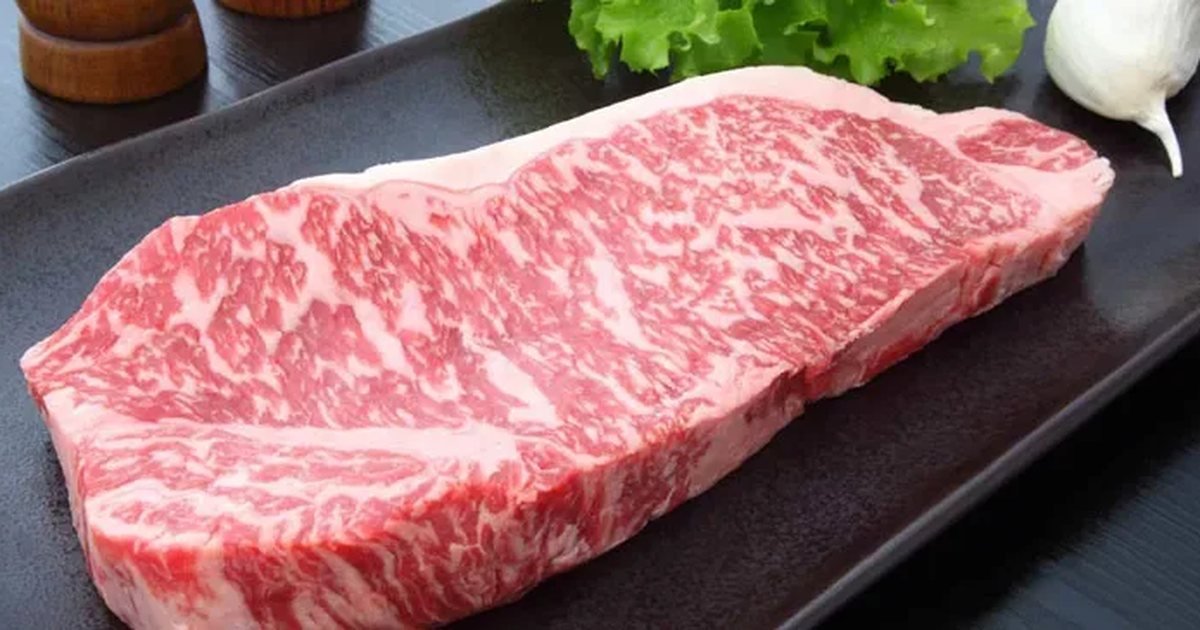
Two pieces of beef can look the same at the counter, weigh the same and cost the same per kilo, then cook like two different foods. One fries soft in ten minutes. The other stays tight through an hour of simmering. The cut name is only half the answer. The other half is the animal it came off.
In a Nairobi butchery you will hear three words about that animal: heifer, cow and bull. They describe age and sex, and between them they explain most of the surprises people blame on cooking.
Heifer, cow, bull
A heifer is a young female that has not calved. She is usually slaughtered between eighteen months and three years, and her meat is fine grained, pink to cherry red, with fat that looks white rather than yellow. Ask for a steak from a heifer and you get something that behaves in a hot pan.
A cow, in butchery language, is a female that has calved, often several times. She is older. The meat is darker and coarser, she carries less fat inside the muscle and more of it on the outside of the carcass, and that fat is yellower and stronger tasting.
A bull is an entire male, older again, with very dark meat, little marbling and a heavy frame. Bull beef has flavour to spare and needs the most patience of the three.
None of this is printed on the tray. It is a question you ask.
Why age decides how the meat cooks
Muscle is held together by connective tissue, and that tissue becomes tougher and more cross linked as an animal ages. Meat from a young animal parts easily under the tooth. Meat from an old one needs heat, moisture and time before it does the same. That is why the same cut from two different animals can succeed in one dish and fail in the next.
Fat moves the other way. An older animal carries more of it, and mostly on the outside. That outside fat bastes a roast as it melts and gives a stew its body. It is also why beef from an older cow tastes stronger than beef from a heifer, even when it is harder to chew.
Colour is a fair guide. Dark red meat with yellow fat is usually an older animal. Bright red meat with white fat is usually young.
What to buy from a young animal
- Steak and quick fry: rump, sirloin, fillet, topside, thin chaps. Tender enough for a hot pan and a short time.
- Nyama choma cuts, which will not seize up over the fire.
- Roasts and whole joints, kept moist and rested before carving.
This is also where the money goes, because a young animal is worth more per kilo than an old one and the tender cuts carry that price.
What to buy from an older animal
- Mince. The coarser texture and stronger flavour hold up in the grinder and give better burgers, meatballs and sauce.
- Stewing beef, wet fry, pilau and biriani, all of which give the meat an hour or more in liquid.
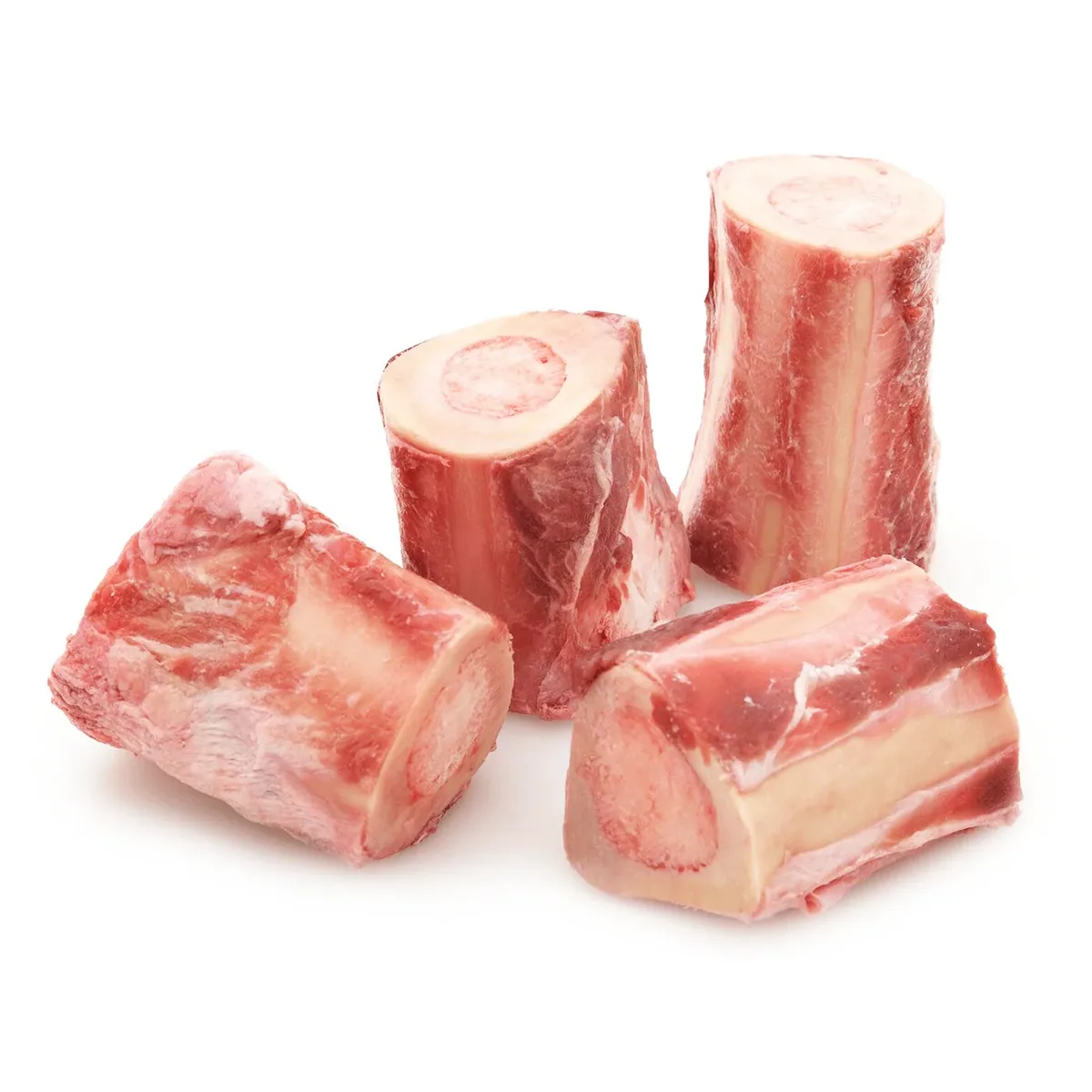
- Soup bones, oxtail and shin. Older bones carry more gelatine and give a stock that sets when it goes cold.
- Matumbo and other offal, where the pieces are bigger and the boil is longer before they soften.
Older animal cuts usually cost less per kilo, and cooked the right way they give more flavour for the money than a lean steak does. The saving is real as long as you buy for the pot you are actually going to cook.
The mistake that costs the most
Buying an old cow cut for a steak and giving it four minutes a side. It comes out tough, the butchery gets the blame, and the lesson learned is the wrong one. The same meat cut into two centimetre cubes and cooked for ninety minutes with onions and tomatoes is excellent. Ask what the piece in front of you wants to be, not what you hoped to make from it.
Four questions at the counter
- Which animal is this from, and roughly how old is it? A butcher knows the carcass he cut that morning.
- Is this fat from the same animal? Fat from an old cow can taste strong, and that matters in mince.
- How would you cook this piece? The honest answer changes with the animal more often than with the cut name.
- If I want to fry it quickly, is there a better piece today? Stock changes daily, and so does the honest answer.
Bones and offal are where age helps
An old animal is not a lesser animal. It is a different ingredient. Bones from a mature cow make a stock that gels, shin gives up its collagen into the stew, and matumbo is thick enough to hold its shape in a wet fry. If you cook for a family and you are watching the budget, the older carcass is where the value sits, provided the pot has time.
Everything here is cut to order at City Market, Stall 56, halal, and never frozen. Ask for any weight from half a kilo upwards and we will cut it the size you need for the dish you have in mind. Same-day delivery across Nairobi, paid on M-Pesa till 9700565.
Cut to order, never frozen, delivered across Nairobi the same day if you order by 6:30 PM.
See what we have today →