
When to salt meat, and how much

Salt is the cheapest thing in the kitchen and the one most often used at the wrong moment. A kilo of beef, a whole chicken and a plate of mince all want it at different times, and the difference is not small. It is the gap between a roast that stays wet and one that gives its juice up into the tray.
The rule that sorts all of it is simple. Salt needs either a good long while or almost no time at all. The middle is where meat gets spoiled.
Why the middle is the worst place to be
Sprinkle salt on meat and the first thing that happens is water coming out. Salt on the surface pulls moisture towards it, and for the first half hour the meat is actually drying on the outside. If it goes into a hot pan in that state, that surface water has to boil off before any browning can start, so you steam the meat instead of searing it.
Leave it longer and the picture changes. The salt dissolves in the surface moisture, that salty liquid is drawn back into the meat, and it carries the seasoning with it. Given 45 minutes or more, the meat comes out of the fridge both seasoned and better at holding its water than before. That is the whole trick. Past about 45 minutes, salt makes meat juicier. Under about 10 minutes, it sits on the surface and does no harm. Between 10 and 45 minutes it is sitting in a puddle of its own juice, and that is the window to avoid.
How much: one per cent, weighed not guessed
One per cent of the meat's weight is the number to remember. A 1 kg piece of beef takes about 10 g of fine salt, which is roughly one and a half level teaspoons. A 2 kg roast takes 20 g. Coarse crystals are bigger and weigh less per spoon, so weigh it once on a small kitchen scale and you will stop guessing for good.
For a stew or a curry, where the salt goes into liquid, work on 1 per cent of the meat weight and taste at the end before correcting. Undersalting is easy to fix. Oversalting is not, whatever you have heard about potatoes.
Beef: salt it the night before if you can
For a steak or a roasting joint, salt both sides at 1 per cent, put it on a plate or a rack uncovered in the fridge, and leave it. Overnight is ideal. Two hours is fine. Below 45 minutes you are in the window that pulls juice out, so it is worth waiting.
Uncovered matters. Fridge air is cold and dry, so the surface dries as it sits, and a dry surface browns far better than a wet one. Pat it with kitchen paper before it goes into the pan and most of the work of a good crust is already done.
Chicken: under the skin, a few hours ahead
Chicken takes salt well and takes it quickly. Loosen the skin over the breast and thighs, rub about 1 per cent of the bird's weight under it as well as on the outside, and leave the bird uncovered in the fridge for two to four hours. The skin dries, the meat seasons through, and it roasts noticeably better than one salted at the last minute.
For choma or frying the same rule holds. Salt early and dry the skin, or salt after cooking. A wet chicken salted ten minutes before it goes over the coals will steam and stick, and the skin will never crisp.
Mince: the one place early salt hurts you
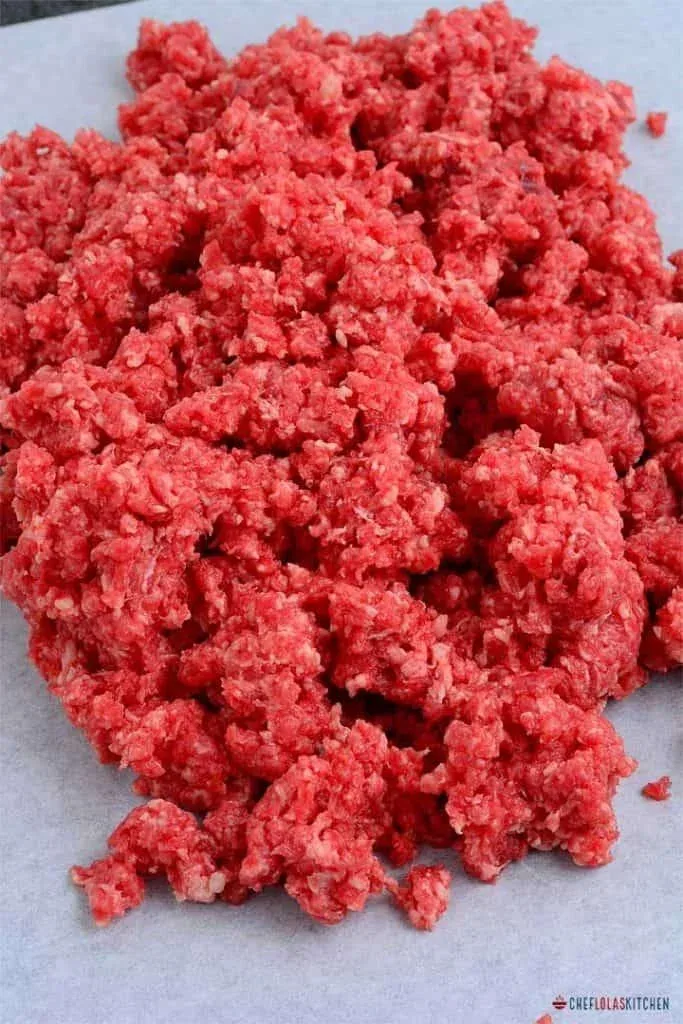
Do not salt raw mince and leave it sitting. Salt dissolves the proteins that hold mince together, and a mixture left salted turns springy and tight, more like a sausage than a burger. Mix in your onions and spices, shape it, and salt the outside just before it hits the pan, or salt the browned meat once it is broken up and cooking.
For meatballs and sausages, where you actually want that bind, salt early on purpose. It is the same reaction, working for you instead of against you.
Stews, goat and matumbo
In a long wet cook the window closes. Salt goat or stewing beef at the start, around 1 per cent of the meat weight, and it seasons all the way through by the time the meat is tender. Salt at the end and only the outside tastes seasoned while the middle stays flat.
Matumbo and tripe are the exception. Keep the pot of water plain until the pieces are properly tender, then season them in the sauce. Salted from the start, they take longer to soften and often turn rubbery before they turn tender.
At the table, coarse salt is not an admission of failure. Kenyan coarse crystals give a crunch that fine salt cannot, and on hot goat or a slice of roast beef it is worth having within reach.
Every cut at the counter is cut to order, so you can ask for exactly the weight a dry brine needs, from 0.5 kg upwards, or three kilos for a stew. We deliver the same day across Nairobi, and you can pay on M-Pesa till 9700565.
Cut to order, never frozen, delivered across Nairobi the same day if you order by 6:30 PM.
See what we have today →