Beef fat: where it sits, and why you should not trim it all
A customer asked for two kilos of beef for a stew, then added the sentence that causes most of the trouble in this shop: "no fat, please." I cut it lean. She cooked it two hours, and the meat came out dry and the sauce tasted of nothing much. The meat was fine. The fat was missing.
What fat does that lean meat cannot
Muscle is roughly three quarters water, held inside fibres. Heat makes those fibres contract and push the water out, and nothing added later puts it back. Fat between the fibres and between the muscles does three jobs: it carries flavour, because most of the aroma in beef sits in fat rather than water; it lubricates the fibres as they tighten; and it melts into the sauce, which is what gives a stew its body.
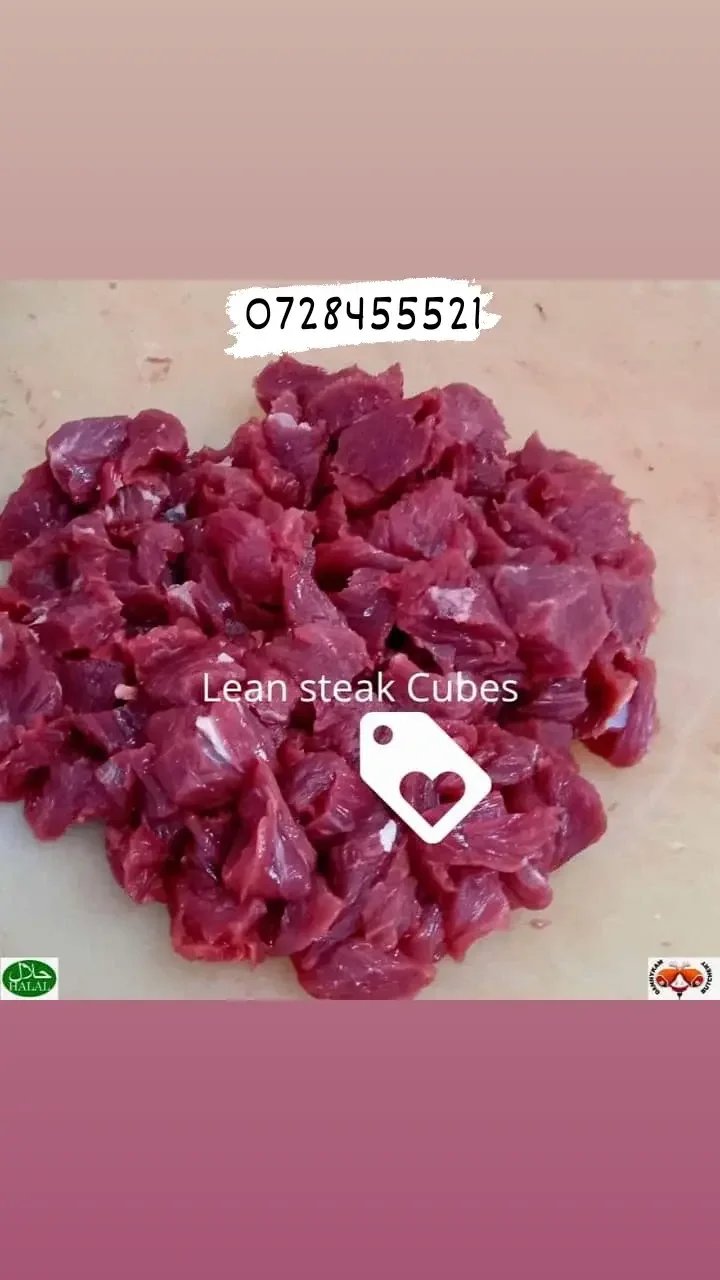
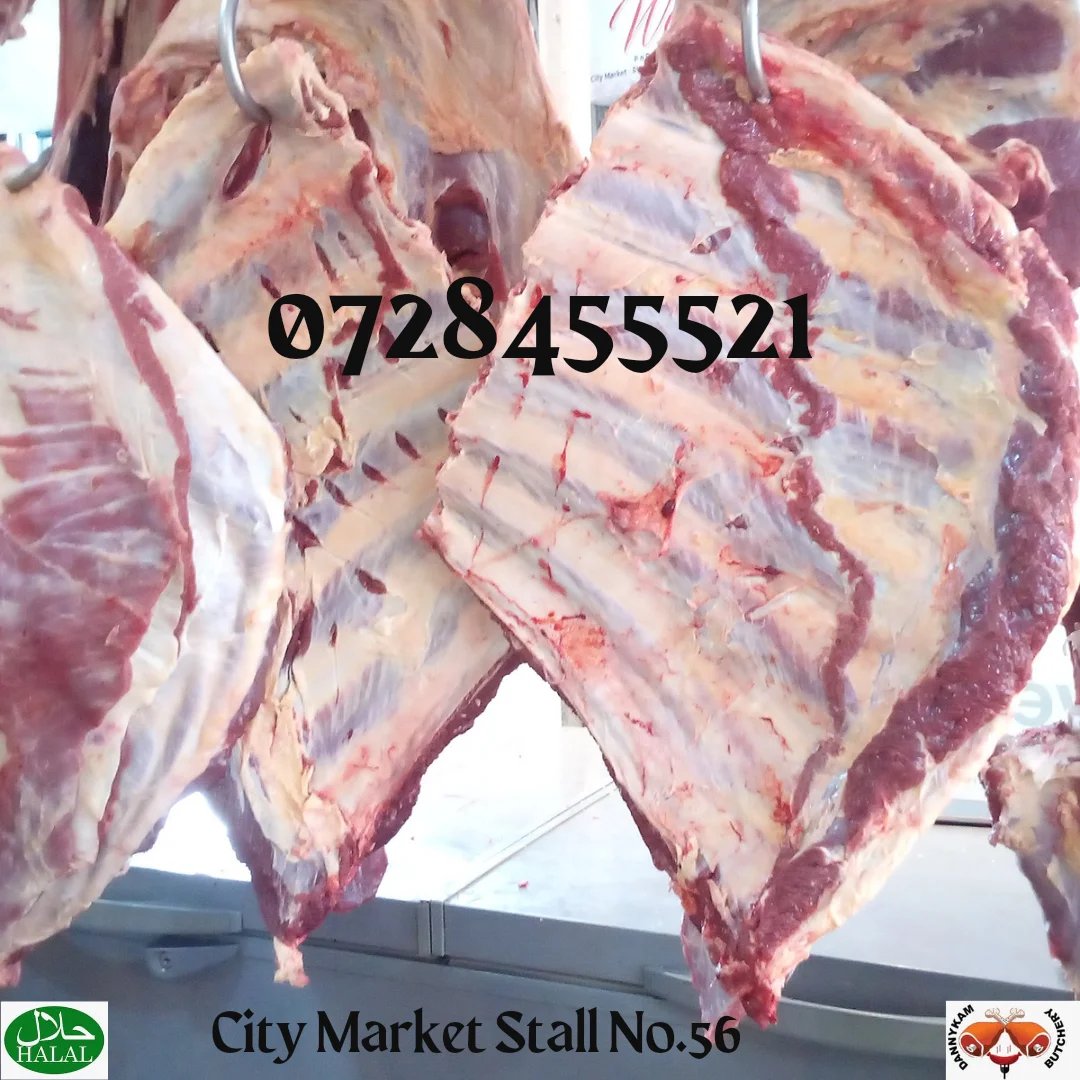
A fillet and a piece of chaps from the same animal behave nothing alike. The fillet has almost no fat and almost no connective tissue, so it wants four minutes in a hot pan. Chaps have plenty of both, so they want two hours at a simmer.
Four places fat sits on an animal
- Under the skin: the firm back fat. It protects a roast and crisps over a grill.
- Between the muscles: seam fat, the part that renders into a stew and thickens it.
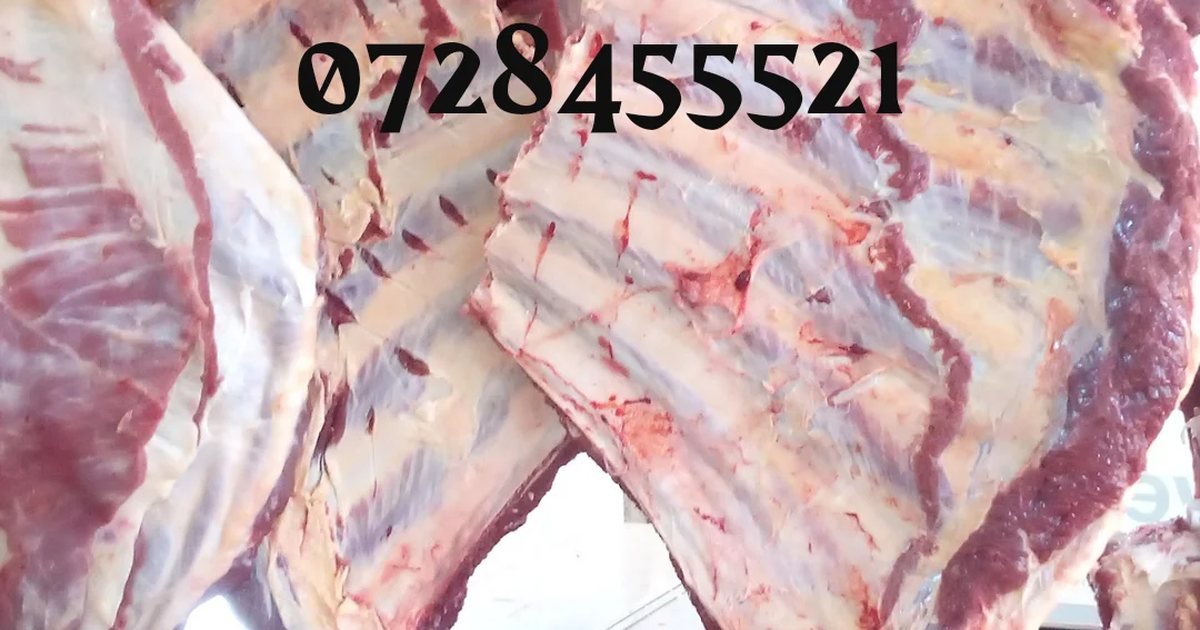
- Inside the muscle: marbling, the fine white flecks in a good rib-eye. Nothing at the counter can add it; the animal either had it or it did not.
- Around the kidneys and inside the cavity: suet, the hardest fat on the animal and the cleanest to render.
All four taste of beef and do different work in the pot, which is why "trim the fat" is not one instruction.
Which cuts carry it, and which do not
Fatty and forgiving: chaps, neck, brisket, short ribs, oxtail, shin. These are cuts for a stew, a pot roast or a wet fry, anything that sits on a low flame for an hour or more.
Lean and unforgiving: fillet, eye of round, topside, silverside, most of the leg. These want high heat, a short time, and oil or butter to replace what the animal did not give them.
In between: rump and sirloin carry a fat cap on one side. Ask for it left on, and put that side down first so the fat bastes the meat.
Goat is leaner than beef all over. A goat stew can be soft and still taste dry, so brown it in oil and do not pour off everything in the pan. Mutton sits between the two.
The one number worth asking about
For mince, the fat percentage matters more than the cut. Ten per cent is right for a sauce where you will spoon the fat off. Around twenty is right for burgers, kofta and sausage meat, where fat is the difference between a patty that holds and one that crumbles. Our beef mince is 10 per cent; for burgers, chop a little trimmed fat through it.
How to trim a cut without ruining it
Take off the silver skin, the thin grey membrane, and any hard gristle. Leave three to five millimetres of fat on a roasting piece or a chop. Leave a stew cut alone: its fat melts into the sauce, and if you cut it away first you have thrown out the part that makes the dish.
If you want less fat on the plate, take it out at the end. Let the pot cool, the fat rises and sets into a disc, and you lift it off with a spoon; the meat has already cooked in it by then. Skimming a hot stew does the same job less neatly, and you take sauce with it.
What to do with the fat you take off
Keep it. Chop it small, put it in a heavy pan with a spoon of water, and hold it at the lowest heat for 45 minutes to an hour. The water stops it burning before it renders. When the pieces are brown and the liquid runs clear, strain it into a jar. That is beef fat, and it keeps for weeks in the fridge and months in the freezer.
A spoon of it roasts potatoes better than oil, fries an egg, or finishes a dry fry. The crisp pieces, salted, are the best part. Do not pour hot fat down the sink. It sets in the trap, and the plumber will charge more than the beef cost.
What to say at the counter
Say what you are cooking rather than how you want the meat trimmed. "Chaps for a stew, keep the fat" gets a better dinner than "lean beef". If you do want it lean, say so, and plan to cook it faster with oil.
Fat and bone are weighed and priced with the meat. That is why chaps cost less per kilo than fillet, and why bone-in short ribs give less edible meat than rump. It is not a trick, but know it before you compare prices.
Everything at the shop is halal and cut to order at City Market Stall 56, in any weight from 0.5 kg, so you can ask for a fat cap left on or trimmed right back. Same-day delivery across Nairobi, and you can pay on M-Pesa till 9700565.
Cut to order, never frozen, delivered across Nairobi the same day if you order by 6:30 PM.
See what we have today →